Player Tracking Systems Reveal Patterns in Payment Preferences During High-Stakes Mobile Sessions Across Emerging Markets
Written by Theo Wagner · Oct 16, 2026
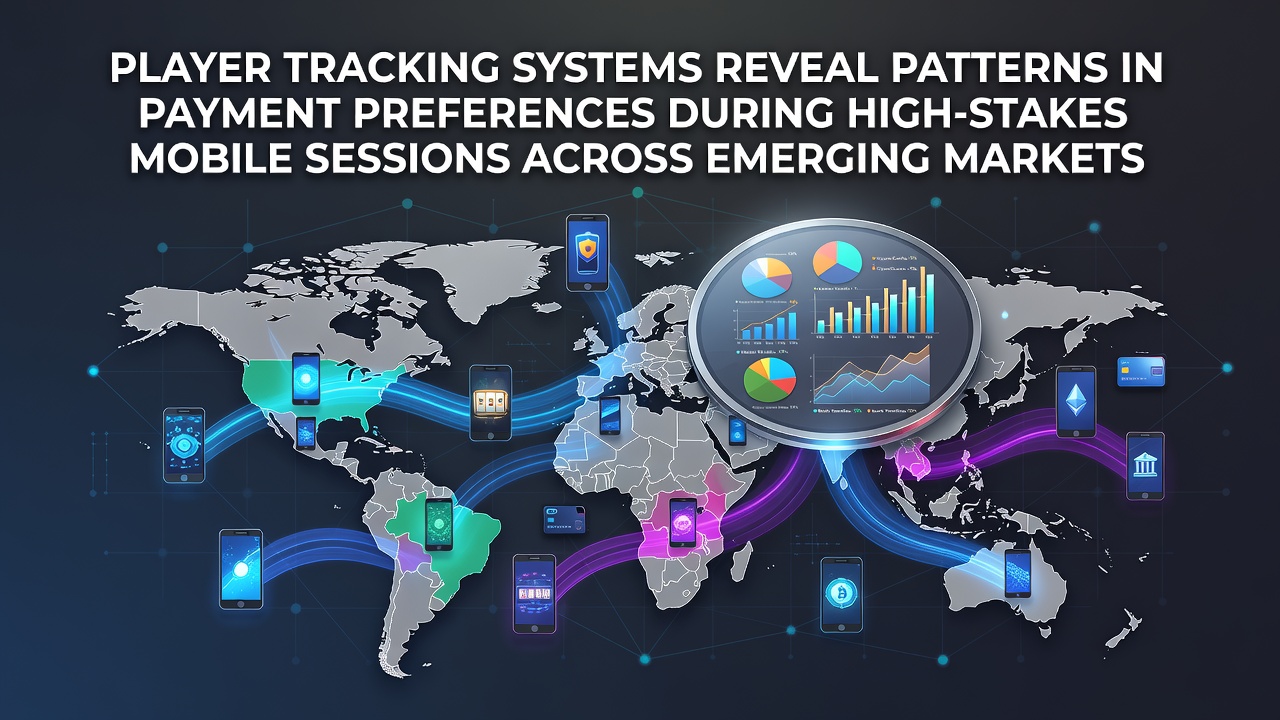
Player Tracking Systems Reveal Patterns in Payment Preferences During High-Stakes Mobile Sessions Across Emerging Markets
Player tracking systems have become central tools for operators monitoring high-stakes mobile sessions across emerging markets, and data collected through these platforms shows clear shifts in how users handle payments. Systems deployed in regions such as Southeast Asia, Latin America, and parts of Africa capture transaction details at scale, revealing that digital wallets and instant bank transfers dominate activity during peak hours while traditional card methods see lower adoption in the same sessions.
Data Patterns from Mobile Tracking Platforms
Analysis of session logs from October 2026 indicates that mobile wallet usage climbed steadily in high-value transactions, particularly in markets where local fintech providers integrated directly with gaming applications. Researchers tracking these flows note that average transaction sizes processed through e-wallets exceeded those completed via credit cards by noticeable margins, and this gap widened further when sessions extended beyond thirty minutes. Payment velocity also differed by method, with wallet-based deposits clearing in under five seconds in most tracked instances whereas older bank wire options introduced delays that reduced repeat engagement within the same hour.
Observers note that regional variations appear consistently in the datasets. In Southeast Asian corridors, for instance, players gravitated toward QR-code linked wallets that connect to everyday banking apps, while Latin American sessions showed stronger uptake of prepaid mobile credit options. These differences emerge because tracking algorithms flag location-tagged behaviors and cross-reference them with device identifiers, allowing operators to segment preferences without manual surveys.
High-Stakes Session Characteristics
High-stakes mobile play often clusters around specific time windows, and payment method selection aligns with those clusters. Systems log that users initiating sessions after local evening hours favor instant methods that require minimal verification steps, reducing friction during rapid deposit sequences. Meanwhile, afternoon sessions in several tracked markets display higher instances of scheduled transfers from linked accounts, suggesting players plan larger commitments in advance.
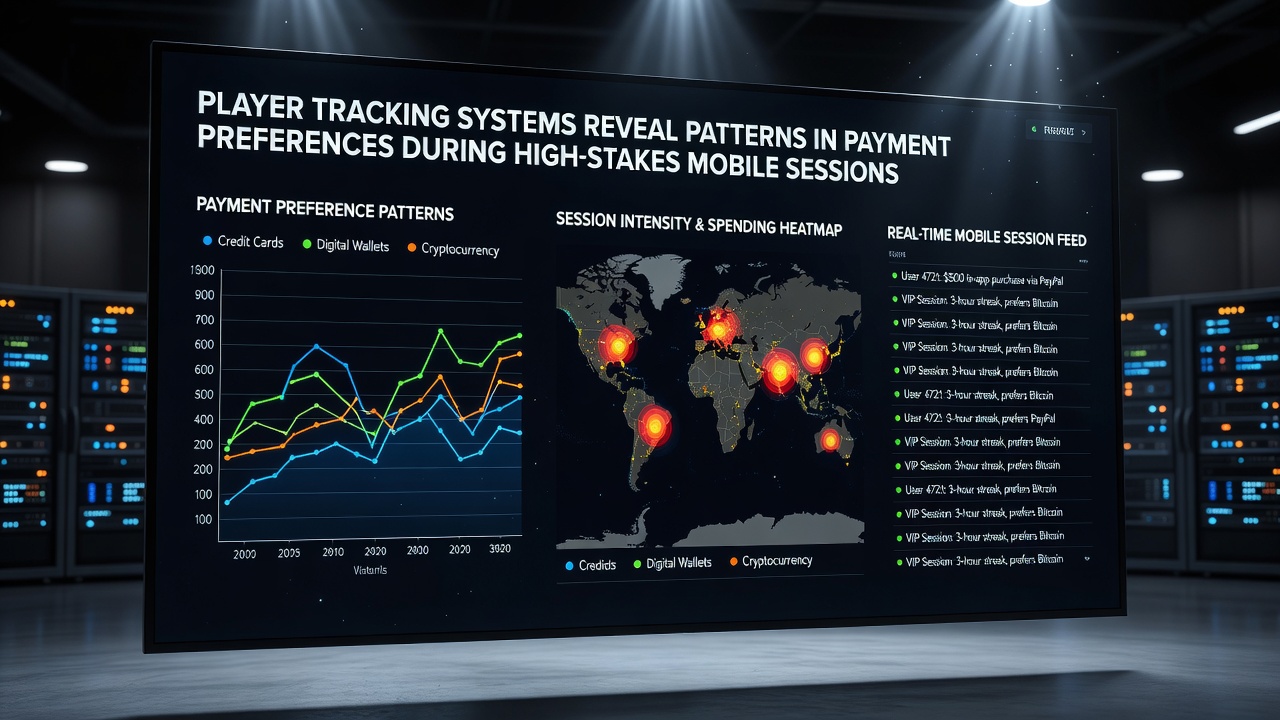
One study revealed that conversion rates from deposit to active play improve when the chosen payment matches the device's default language settings, a detail captured automatically by tracking layers. In markets where multiple currencies operate side by side, systems also record frequent switches between local and foreign-denominated wallets, especially when session limits exceed certain thresholds. These switches occur because operators configure dynamic routing that favors the lowest-fee corridor available at that moment.
Emerging Market Infrastructure Influences
Infrastructure constraints shape the observed preferences as well. Regions with intermittent connectivity record more offline-capable wallet solutions being selected at the outset of sessions, since those methods allow queued transactions to complete once signal returns. Data from tracking platforms shows that such selections correlate with longer average session durations, because players avoid interruptions that would otherwise force mid-session payment changes.
According to reports published by the World Bank on digital finance adoption, mobile money accounts in emerging economies reached scale sufficient to support high-value transfers, and gaming platforms have leveraged the same rails. Tracking systems integrate these rails directly, which explains why certain payment strings appear repeatedly in high-stakes logs while others remain marginal. Industry associations such as the Asian Gaming and Entertainment Association have published aggregated figures indicating that wallet-linked mobile sessions grew faster than card-linked ones between 2024 and 2026 across monitored jurisdictions.
Security and Compliance Layers
Security protocols embedded in tracking software add another dimension. Multi-factor checks triggered for transactions above defined thresholds steer users toward methods that already store verified credentials, reducing drop-off. Compliance teams review these pathways regularly, and the resulting adjustments appear in updated session data within days. Patterns therefore reflect both user choice and teh friction introduced or removed by backend rules.
Conclusion
Player tracking systems continue to map payment behaviors across emerging markets with increasing granularity, supplying operators and researchers with datasets that link session timing, device type, and transaction method. The evidence from October 2026 sessions shows that wallet-centric options maintain momentum in high-stakes mobile environments, driven by speed, regional infrastructure, and integration depth rather than isolated preference. Continued monitoring through these platforms will likely surface further refinements as markets evolve and new payment rails come online.