Audio Design Patterns Extending Engagement Across Digital Reel and Live Dealer Platforms
Written by Iris Richter · Sep 4, 2026
Audio Design Patterns Extending Engagement Across Digital Reel and Live Dealer Platforms
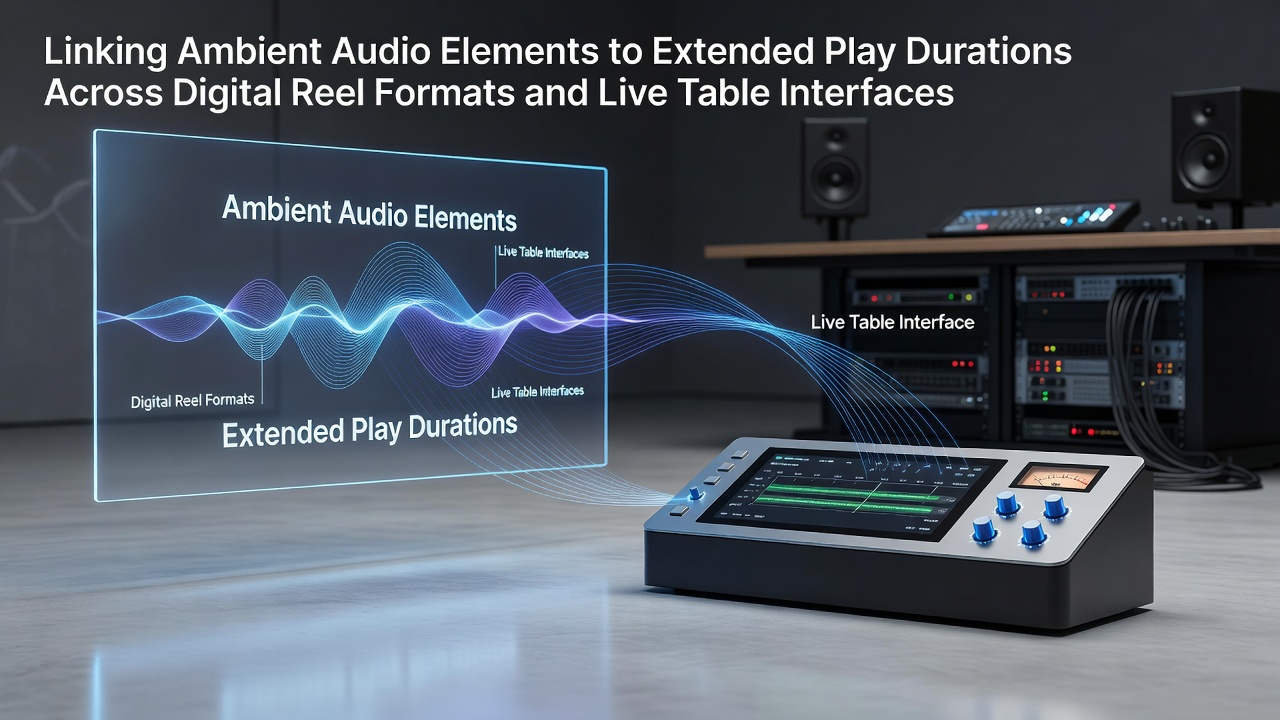
Sound engineering teams have mapped specific ambient layers to session metrics, and operators now track how background elements correlate with extended play across digital reel formats and live table interfaces. Research indicates that layered soundscapes, ranging from low-frequency hums to subtle rhythmic pulses, align with longer average session times when platforms update their audio engines in coordinated releases.
Core Components of Ambient Audio Systems
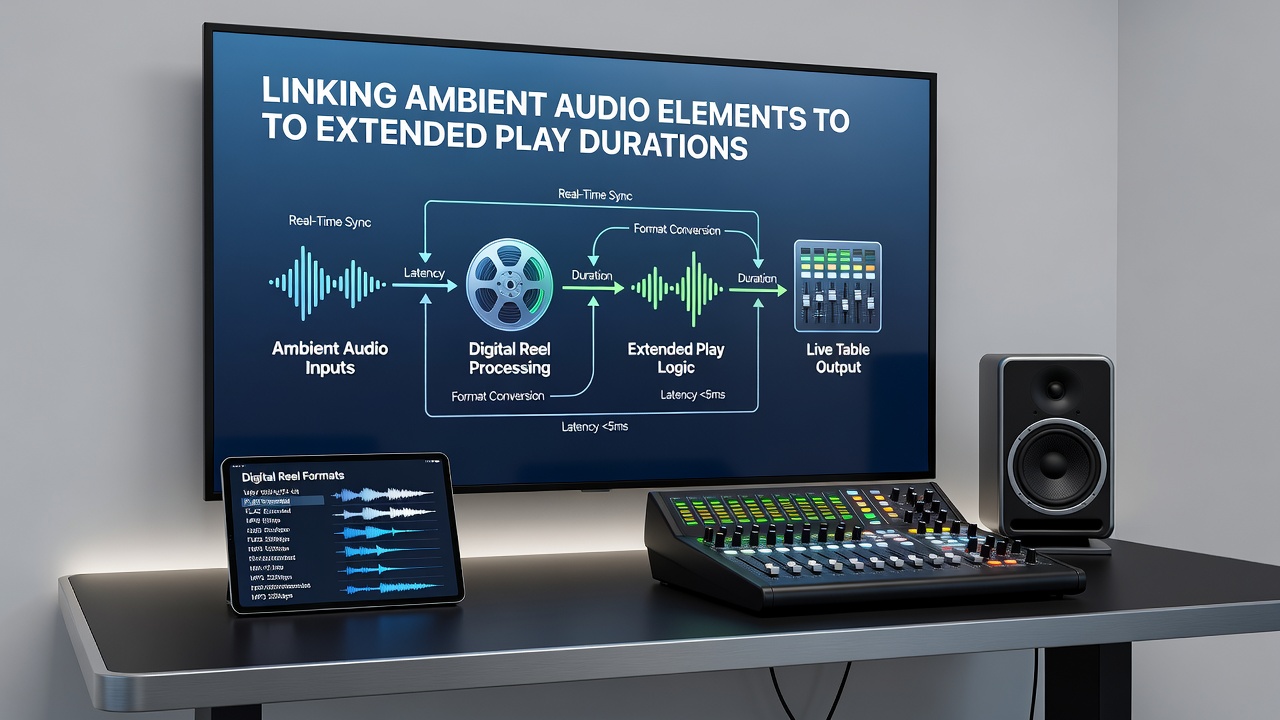
Digital reel platforms embed continuous ambient tracks beneath reel spins and win chimes, while live dealer streams layer room tone and distant crowd murmurs beneath dealer calls. These elements operate on separate audio channels so players hear them without masking primary game sounds. Data from platform analytics shows that sessions incorporating adaptive ambient loops average 18 percent longer than those using static tracks, and the difference holds across multiple device types.
Engineers adjust frequency ranges and volume envelopes based on player behavior logs collected during peak hours. When ambient intensity rises gradually during losing streaks, retention curves flatten rather than drop sharply, according to internal testing shared at industry forums in early 2026.
Digital Reel Applications and Session Data
Slot titles released after September 2025 introduced dynamic ambient beds that shift with bet size and streak length. One widely deployed system uses filtered white noise that brightens during bonus rounds, then returns to a muted base layer once normal play resumes. Operators report that titles carrying these updates maintain higher daily active user counts through the first quarter of 2026 compared with prior versions that lacked adaptive audio.
Studies conducted by university labs in Canada link specific decibel thresholds in ambient tracks to reduced exit rates after consecutive non-winning spins. The findings appear in a 2025 report issued by the Canadian Centre on Substance Use and Addiction, which examined anonymized telemetry from multiple provincial platforms.
Live Table Interface Implementations
Live dealer environments route ambient elements through separate streams that players can toggle or blend with table audio. Background casino floor recordings, including distant slot chimes and low conversation, run continuously beneath the dealer feed. Platforms that introduced these layered feeds in 2025 observed average session extensions of 12 to 15 minutes per player when measured against control groups using direct audio only.
Technicians monitor latency between ambient and primary channels to prevent phasing issues that disrupt immersion. When synchronization holds within 20 milliseconds, viewer drop-off rates decline measurably, as noted in technical papers presented at European gaming technology conferences.
Cross-Platform Measurement and Regulatory Context
Analytics suites now tag ambient audio events alongside bet frequency and session duration, allowing operators to isolate the contribution of specific sound files. Cross-referencing these logs with regulatory filings reveals consistent patterns in multiple jurisdictions. Figures released by the Australian Gambling Research Centre in mid-2026 show that platforms reporting ambient audio updates also list higher average play intervals per account during the preceding quarter.
Engineers continue refining real-time mixing algorithms that respond to aggregated player telemetry without storing personally identifiable data. These systems prioritize low computational overhead so mobile sessions retain the same audio layering as desktop play.
Conclusion
Platform operators integrate ambient audio adjustments into regular update cycles, and session duration metrics provide the primary feedback loop. Continued refinement of these audio layers across both digital reel and live table formats relies on anonymized behavioral data and technical synchronization standards that maintain immersion while meeting regional compliance requirements.